
Common Mistakes When Using Bleach Shield Towels and How to Maximize Their Stain Resistance
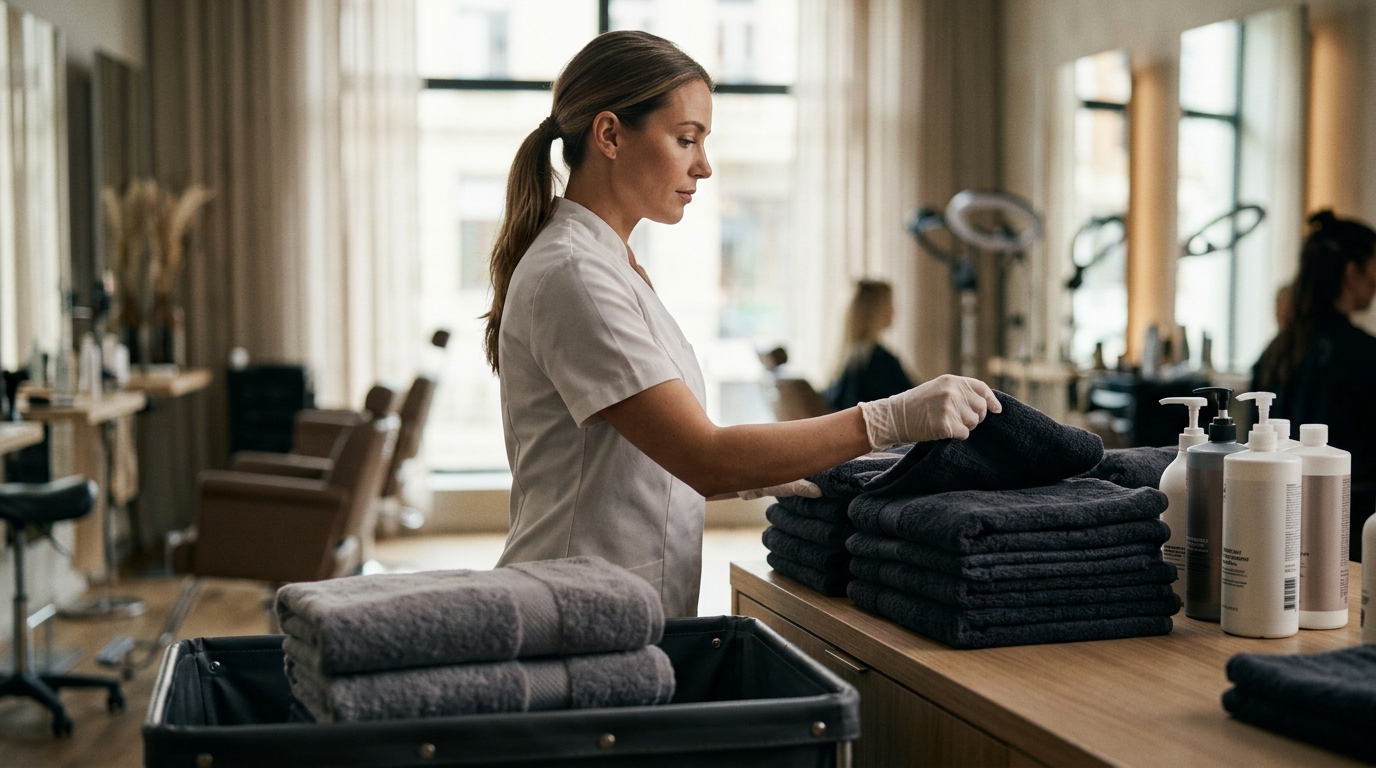
Professional spas and salons rely on bleach shield towels to maintain hygiene standards without sacrificing fabric integrity. According to industry maintenance data, improper chemical handling reduces the lifespan of specialized textiles by up to 40 percent. This statistic highlights the critical need for correct usage protocols. Many facility managers assume that "bleach shield" means the fabric is immune to damage. This assumption leads to costly replacement cycles and compromised sanitation results. Understanding the chemical interactions between chlorine, peroxide, and treated cotton is essential for operational efficiency. (Customer Reviews)
Understanding Bleach Shield Technology
To maximize the utility of these textiles, you must first understand what the technology entails. Bleach shield technology is a chemical treatment applied to cotton fibers during the manufacturing process to resist degradation from chlorine-based disinfectants. This treatment allows salons and spas to use harsh sanitizers without the rapid yellowing or fiber breakdown associated with standard white towels. The fabric remains white longer, maintaining a professional aesthetic that signals cleanliness to clients. However, the shield is not a permanent invincibility cloak. It is a protective layer that can be compromised by specific operational errors.
Many facility operators confuse "bleach shield" with "bleach proof." Bleach shield towels are designed to withstand regular exposure to diluted chlorine solutions. They are not designed to be soaked in pure bleach or subjected to extreme chemical concentrations. Recognizing this distinction is the first step in preventing premature wear. The goal is to extend the service life of the inventory while ensuring maximum sanitation efficacy.
Mistake 1: Incorrect Chemical Concentration
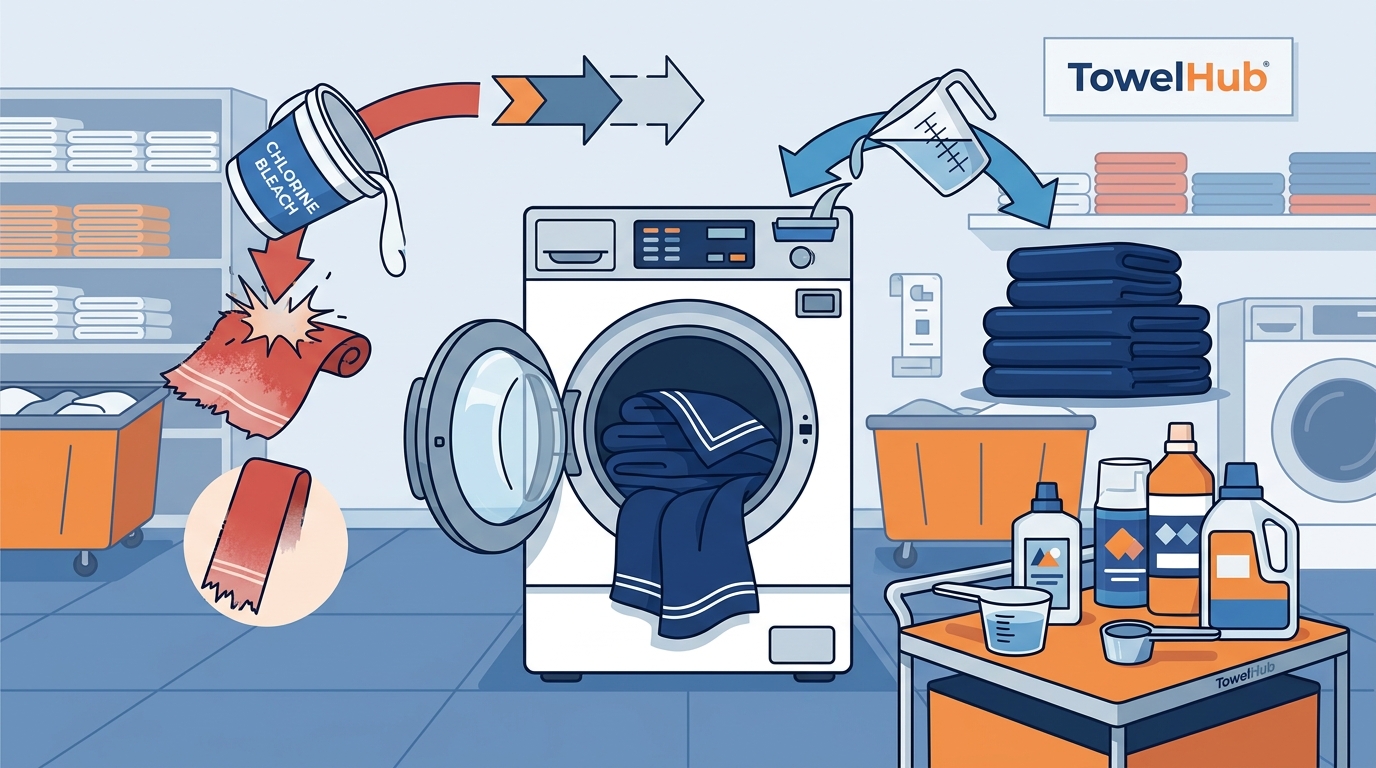
The most frequent error in professional laundry operations is using too much sanitizer. Operators often believe that stronger chemicals equal better hygiene. This logic fails when applied to specialized textiles. Over-concentrating bleach or quaternary ammonium compounds strips the protective shield from the fibers. Once the shield is stripped, the cotton becomes vulnerable to rapid oxidation and weakening.
Always follow the manufacturer's dilution ratios for your specific water hardness and soil level. Using a chemical dispenser ensures consistency and prevents human error. If you notice the towels turning yellow or developing a brittle texture, reduce the chemical dosage immediately. This change often restores the fabric's integrity. Proper dilution preserves the white appearance and extends the usable life of the inventory. For more insights on maintaining textile quality, review our guide on preventing mold in bath mats.
Mistake 2: Improper Water Temperature
Temperature control is a critical variable in the laundering process. High heat can set certain stains permanently and degrade the chemical treatment on the towels. Conversely, water that is too cool may not effectively dissolve the detergents or sanitizers. The optimal range for washing bleach shield towels is typically between 140 and 160 degrees Fahrenheit. This range ensures effective soil removal without damaging the fiber structure.
Using water that exceeds 180 degrees Fahrenheit can cause the cotton fibers to shrink and the shield to break down faster. This thermal shock accelerates the aging process of the fabric. Monitor your commercial washer's temperature gauges regularly. If the water is too hot, the towels will feel rough and lose their absorbency. Consistent temperature management is key to maintaining the softness and performance of your linen inventory. Learn more about washing instructions from Towel Hub.
Mistake 3: Aggressive Drying Methods
Drying is where many facilities lose control over their linen quality. Over-drying towels in commercial dryers causes excessive heat exposure. This heat bakes residual chemicals into the fibers, leading to stiffness and discoloration. The fabric becomes brittle and prone to tearing during use. This is particularly damaging to the bleach shield coating, which requires gentle handling to remain effective.
Remove towels from the dryer while they are still slightly damp. This practice allows the fibers to relax and reduces the risk of heat damage. It also minimizes static cling, which is common in low-humidity environments. Air drying is an alternative, but it is often impractical for high-volume commercial operations. If you must use a dryer, use a lower heat setting and reduce the cycle time. Proper drying techniques preserve the texture and longevity of the towels. Check out our comparison of towel materials for more context.
Mistake 4: Poor Storage Habits
How you store your towels after laundering impacts their condition. Storing damp towels in enclosed spaces creates a breeding ground for mold and mildew. This is especially true for thick bath towels and spa wraps. Mold spores feed on organic residues left in the fabric, causing permanent stains and odors that bleach cannot remove. The bleach shield does not protect against biological growth in storage.
Ensure towels are completely dry before placing them in linen closets. Use ventilation systems to maintain low humidity levels in storage areas. Avoid stacking towels too high, which can compress the fibers and reduce absorbency. Proper storage maintains the freshness and readiness of your inventory. It also prevents cross-contamination between clean and soiled linens. For tips on keeping your facility hygienic, read our article on dugout vs. locker room towels.
Mistake 5: Mixing Incompatible Agents
Chemical compatibility is a non-negotiable aspect of professional laundry. Mixing chlorine bleach with ammonia or acidic cleaners produces toxic gases and can destroy the fabric. Even mixing different types of sanitizers can cause unpredictable reactions. These reactions may result in rapid yellowing or fiber degradation. The bleach shield is designed for specific chemical environments, not mixed cocktails.
Always use one type of sanitizer at a time. Follow the label instructions for each product strictly. If you switch sanitizers, run a rinse cycle to remove residual chemicals before starting a new load. This precaution prevents adverse reactions. It also ensures that the towels remain safe for client use. Chemical safety is paramount in any professional setting. Consult our about page for more information on our product standards.
Comparison of Towel Grades and Durability
Not all towels are created equal. Understanding the differences between grades helps you choose the right product for your needs. Below is a comparison of common towel grades available from Towel Hub.
| Towel Grade | Weight (Lb/Doz) | Best Use Case | Durability Rating |
|---|---|---|---|
| Economy | 1.0 - 1.5 | High-volume, short-term use | Low |
| Standard Premium | 2.0 - 2.5 | General salon use | Medium |
| Premium Plus | 2.8 - 3.0 | Spa and luxury hotel use | High |
| Bleach Shield | 2.8+ | Chemical-heavy environments | Very High |
Premium Plus and Bleach Shield grades offer the best balance of softness and longevity. They are designed to withstand the rigors of commercial laundering. Economy towels are cost-effective but require more frequent replacement. Choose the grade that matches your facility's volume and budget. For more details on our wholesale towel collection, visit our product page.
Key Takeaways
- Bleach shield technology resists chlorine degradation but is not immune to damage.
- Over-concentrating chemicals strips the protective shield and causes yellowing.
- Water temperatures above 180 degrees Fahrenheit can damage fiber integrity.
- Over-drying towels leads to brittleness and reduced absorbency.
- Storing damp towels promotes mold growth and permanent staining.
- Mixing incompatible chemicals can produce toxic gases and destroy fabric.
- Premium Plus and Bleach Shield grades offer the highest durability ratings.
Frequently Asked Questions
Can I use regular bleach on bleach shield towels?
Yes, you can use regular chlorine bleach, but it must be diluted according to the manufacturer's instructions. Overuse will damage the shield.
How often should I replace bleach shield towels?
With proper care, bleach shield towels can last significantly longer than standard white towels. Replacement depends on usage volume and laundering practices.
What is the difference between bleach shield and bleach proof?
Bleach shield resists damage from diluted chlorine. Bleach proof implies immunity to pure bleach, which is rare for cotton textiles.
Can I use fabric softener on these towels?
No, fabric softener coats the fibers and reduces absorbency. It can also interfere with the bleach shield treatment.
How do I remove yellow stains from bleach shield towels?
Yellow stains are often caused by over-concentrated bleach or metal deposits. Use a stain remover designed for white linens and wash in cool water.
Are bleach shield towels suitable for sensitive skin?
Yes, they are made from high-quality cotton. However, ensure all chemicals are thoroughly rinsed out to prevent skin irritation.
What is the best way to store bleach shield towels?
Store in a cool, dry place. Ensure towels are completely dry to prevent mold and mildew growth.
Do bleach shield towels lose their effectiveness over time?
Yes, the shield degrades with repeated laundering. However, it lasts much longer than untreated towels.
Contact Towel Hub
Optimizing your linen care routine saves money and enhances your facility's reputation. Towel Hub provides high-quality bleach shield towels designed for professional use. Our Premium Plus and Bleach Shield grades offer superior durability and performance. Contact us today to discuss your facility's needs and request a sample. Visit our contact page to get started. Explore our product catalog for the full range of wholesale towels.