
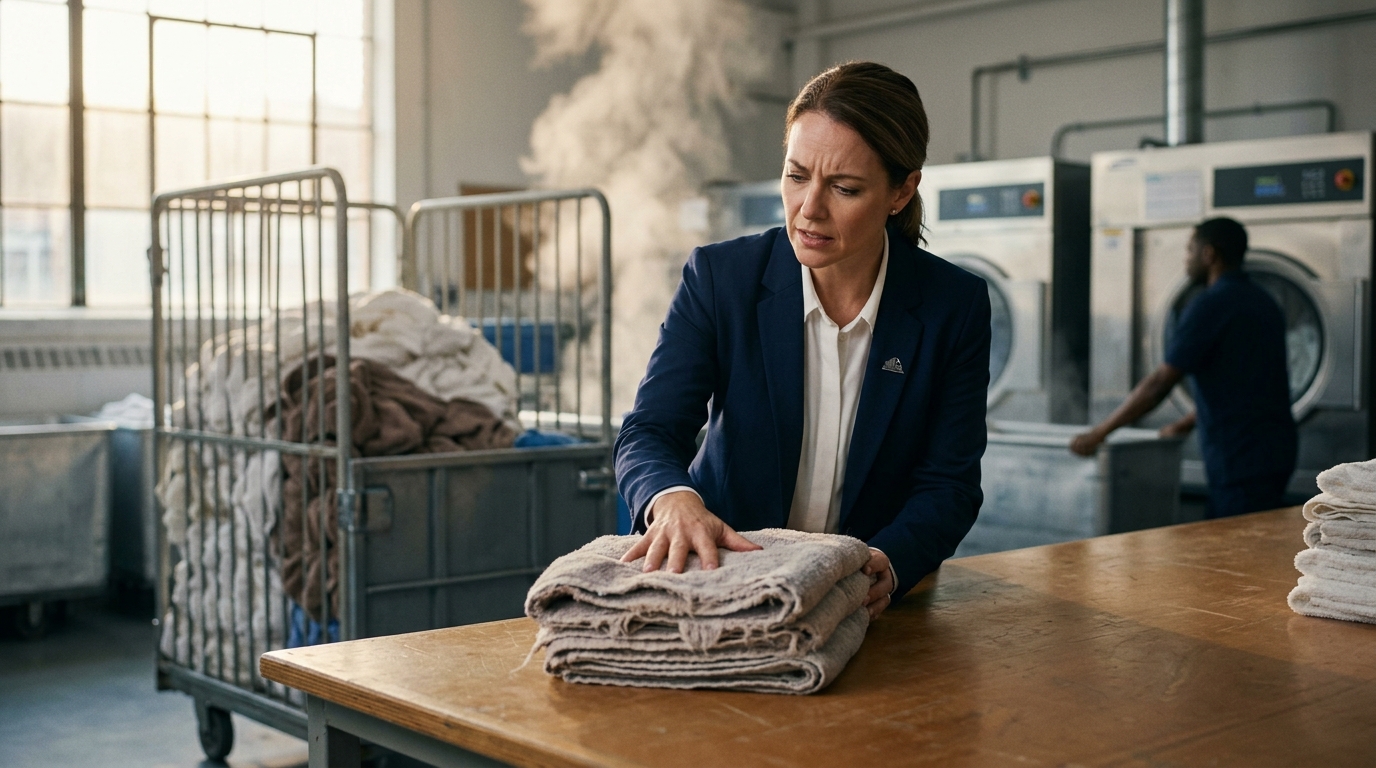
Hotel laundry operations consume a massive portion of operational budgets, with industry data indicating that textile replacement and laundering costs can account for up to 15% of a property's total operating expenses. Hospitality Net reports that inefficient linen procurement directly impacts guest satisfaction scores and profit margins. Many hotel general managers and procurement officers make critical errors in their wholesale towel purchasing strategies, leading to premature wear, poor guest perception, and inflated long-term costs. Understanding the technical specifications of terry cloth, understanding weight metrics, and selecting the correct grade for specific use cases are essential for maintaining luxury standards while controlling costs.
Mistake 1: Ignoring Towel Weight and GSM
One of the most frequent errors in wholesale procurement is focusing solely on the unit price per dozen while ignoring the weight of the towel. Towel weight is typically measured in pounds per dozen (lbs/doz) or grams per square meter (GSM). A heavier towel generally feels more luxurious and absorbs water more effectively, which is critical for guest satisfaction in upscale properties.
For example, standard economy washcloths often weigh around 1 lb per dozen, while premium washcloths can weigh 1.5 lbs per dozen. Towel Hub notes that their premium plus quality washcloths are packed in 20 dozen cartons, ensuring consistent weight and density. When buying wholesale, a lower unit price often correlates with a lighter, thinner towel that loses its softness after fewer wash cycles. Hotels must calculate the cost per use rather than the initial purchase price to avoid frequent replacement cycles.
Heavyweight bath towels for luxury hotels should typically weigh between 6 to 8 lbs per dozen or more, depending on the desired plushness. Using towels that are too light can lead to a perception of cheapness, directly affecting online reviews and repeat business.
Mistake 2: Choosing Economy Grade for Luxury Rooms
Another critical mistake is applying a one-size-fits-all approach to towel grades across different areas of the hotel. Economy towels are designed for high-turnover, low-impact areas such as locker rooms or budget motels. They are the most inexpensive option but lack the durability and absorbency required for guest rooms.
Using economy-grade towels in premium suites can damage the brand's reputation. Conversely, using premium plus towels in staff break rooms or pool areas is a financial misallocation of resources. The key is to match the towel grade to the specific use case. For instance, bath towels in guest rooms should be premium quality, while washcloths can be standardized based on the hotel's tier.
Understanding the difference between Economy towels, Standard Premium, and Premium Plus grades is essential for creating a balanced inventory that meets guest expectations without overspending.
Mistake 3: Selecting Colors That Fade or Stain Easily
While white towels are the industry standard for hotels due to their perceived cleanliness and ease of bleaching, some properties attempt to introduce colored towels for aesthetic branding. This decision often leads to significant operational headaches. Colored towels, such as navy blue, hunter green, or burgundy, require specialized laundry protocols to prevent fading and cross-staining.
Hand towels in colors like black or burgundy must be washed separately from white linens to avoid discoloration. This increases laundry labor costs and complexity. Furthermore, colored towels may not bleach as effectively as white ones, leading to a gradual dulling of the fabric over time. If a hotel chooses to use colored towels, they must invest in high-quality, color-fast fabrics and train laundry staff on proper handling.
For properties seeking a balance, bath towels with center color stripes or subtle branding can offer a unique look while maintaining the core benefits of white linen for the main body of the towel.
Mistake 4: Overlooking Standardized Sizes for Laundry Efficiency
Standardization is crucial for efficient hotel operations. Using a variety of towel sizes can complicate folding, storage, and laundry processing. For example, washcloths are typically 12x12 or 13x13 inches. Deviating from these standard sizes can lead to improper folding by housekeeping staff and inefficient stacking in linen closets.
Similarly, bath towels and bath sheets should be selected based on the hotel's standard folding equipment and storage dimensions. Bath sheets are larger than standard bath towels and offer a more luxurious feel, but they require more storage space and laundry capacity. Hotels must assess their operational capacity before switching to larger sizes.
Consistent sizing also helps in accurate inventory management. When all towels are of a standard size, it is easier to track usage, loss, and damage. This data is vital for forecasting future purchases and negotiating better terms with suppliers.
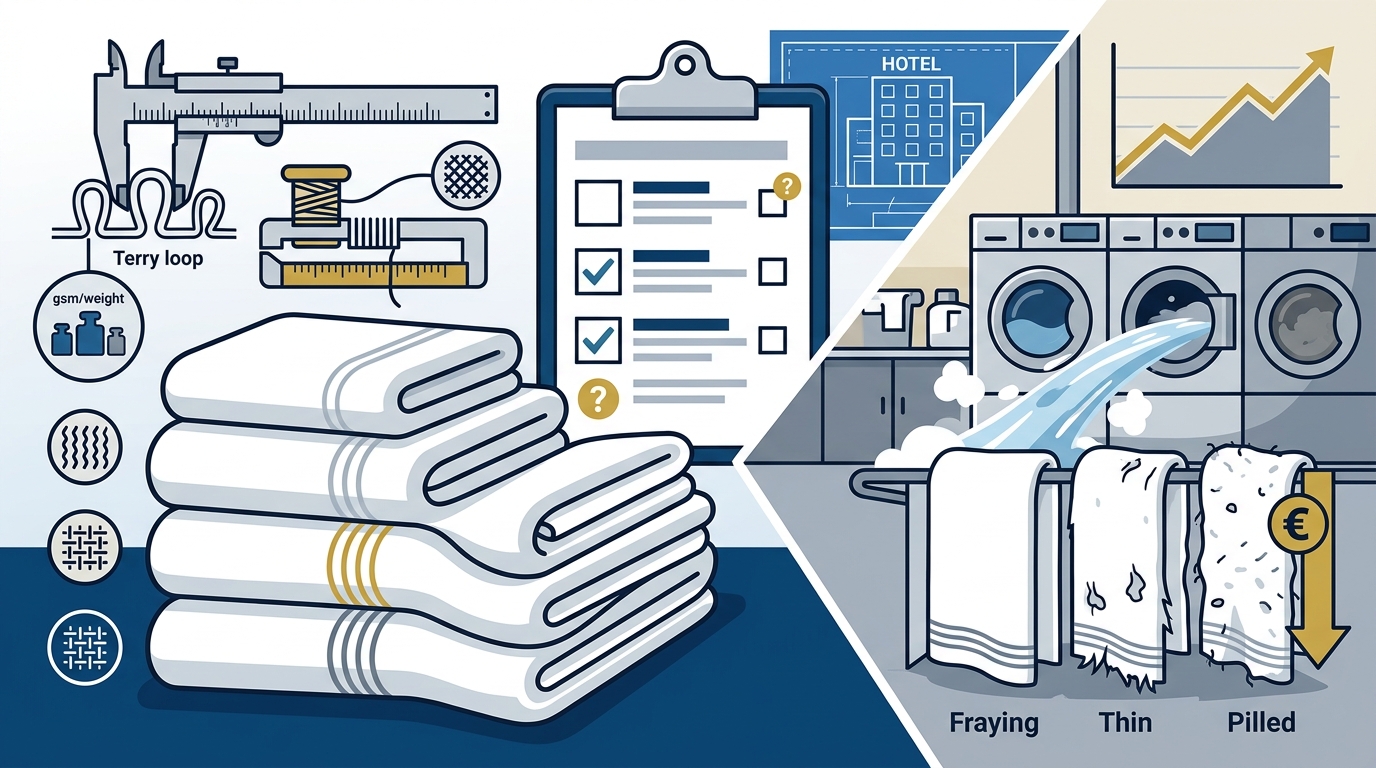
Mistake 5: Partnering with Suppliers Lacking Industry Expertise
Choosing a wholesale supplier based solely on price is a common pitfall. The best suppliers are those with deep expertise in the hospitality industry. They understand the specific needs of hotels, such as the need for durable, high-absorbency towels that can withstand industrial laundering.
Towel Hub is a manufacturer, importer, and distributor of institutional towels, offering a wide range of products tailored to different industries, including hotels, spas, and salons. Their expertise allows them to provide guidance on towel thickness, washing instructions, and product selection. Working with a knowledgeable supplier can help hotels avoid costly mistakes and optimize their linen inventory.
Additionally, suppliers with a strong track record in the industry are more likely to offer reliable customer service, timely delivery, and competitive pricing. They can also provide samples for testing, allowing hotels to evaluate the quality of the towels before making a large purchase.
Strategic Comparison of Towel Grades
To help hotels make informed decisions, here is a comparison of common towel grades and their ideal use cases:
| Towel Grade | Typical Weight (lbs/doz) | Ideal Use Case | Pros | Cons |
|---|---|---|---|---|
| Economy | 1.0 - 1.5 | Locker Rooms, Budget Motels | Lowest cost, high durability for harsh laundering | Thin, less absorbent, perceived as low quality |
| Standard Premium | 2.0 - 3.0 | Mid-Range Hotels, Spas | Balanced cost and quality, good absorbency | May not feel luxurious enough for 5-star properties |
| Premium Plus | 4.0 - 6.0+ | Luxury Hotels, High-End Spas | Highly absorbent, plush feel, long lifespan | Higher initial cost, requires careful laundering |
Key Takeaways
- Weight Matters: Always check the weight per dozen. Heavier towels generally indicate better quality and absorbency.
- Match Grade to Use: Do not use economy towels in guest rooms. Use premium plus for luxury suites and standard premium for mid-range rooms.
- Standardize Sizes: Stick to industry-standard sizes for washcloths and bath towels to streamline laundry and storage.
- Consider Laundry Costs: Colored towels may increase laundry labor and chemical costs. White towels are easier to maintain.
- Choose Expert Suppliers: Partner with suppliers like Towel Hub who understand the hospitality industry and can provide expert guidance.
- Calculate Cost Per Use: Look beyond the unit price. A slightly more expensive towel that lasts longer is often more cost-effective.
- Request Samples: Always request samples before making a bulk purchase to test quality and absorbency.
Frequently Asked Questions
What is the best weight for hotel bath towels?
For luxury hotels, bath towels should weigh between 6 to 8 lbs per dozen or more. Mid-range hotels can use towels weighing 4 to 6 lbs per dozen. Heavier towels feel more luxurious and absorb water better.
Why do hotel towels need to be white?
White towels are the industry standard because they convey cleanliness and can be bleached to remove stains and disinfect effectively. Colored towels require separate washing and cannot be bleached, increasing laundry costs.
What is the difference between terry and velour towels?
Terry towels have loops of thread on the surface, providing high absorbency. Velour towels have the loops cut, creating a smoother, softer surface. Velour dries faster but may be less absorbent than terry.
How often should hotel towels be replaced?
The lifespan of hotel towels depends on the grade and laundry practices. Economy towels may last 50-100 washes, while premium plus towels can last 200+ washes. Regular inspection for thinning, fraying, or loss of absorbency is essential.
What is GSM in towels?
GSM stands for Grams per Square Meter. It is a metric measure of towel density. Higher GSM indicates a thicker, more absorbent towel. For example, a 600 GSM towel is heavier and more luxurious than a 400 GSM towel.
Can I use colored towels in my hotel?
Yes, but they require careful management. Colored towels must be washed separately from white linens to prevent staining. They also fade over time and cannot be bleached, which may affect their appearance.
How do I determine the right towel thickness?
Consider the hotel's tier and guest expectations. Luxury hotels should use thick, heavy towels, while budget hotels can use lighter, more durable options. Consulting with a supplier like Towel Hub can help you make the right choice.
Optimize Your Hotel Linen Strategy Today
Avoiding these common mistakes can significantly improve your hotel's guest satisfaction and operational efficiency. By focusing on weight, grade, and supplier expertise, you can build a linen inventory that supports your brand and budget. Contact Towel Hub today to request samples and discuss your wholesale towel needs.