
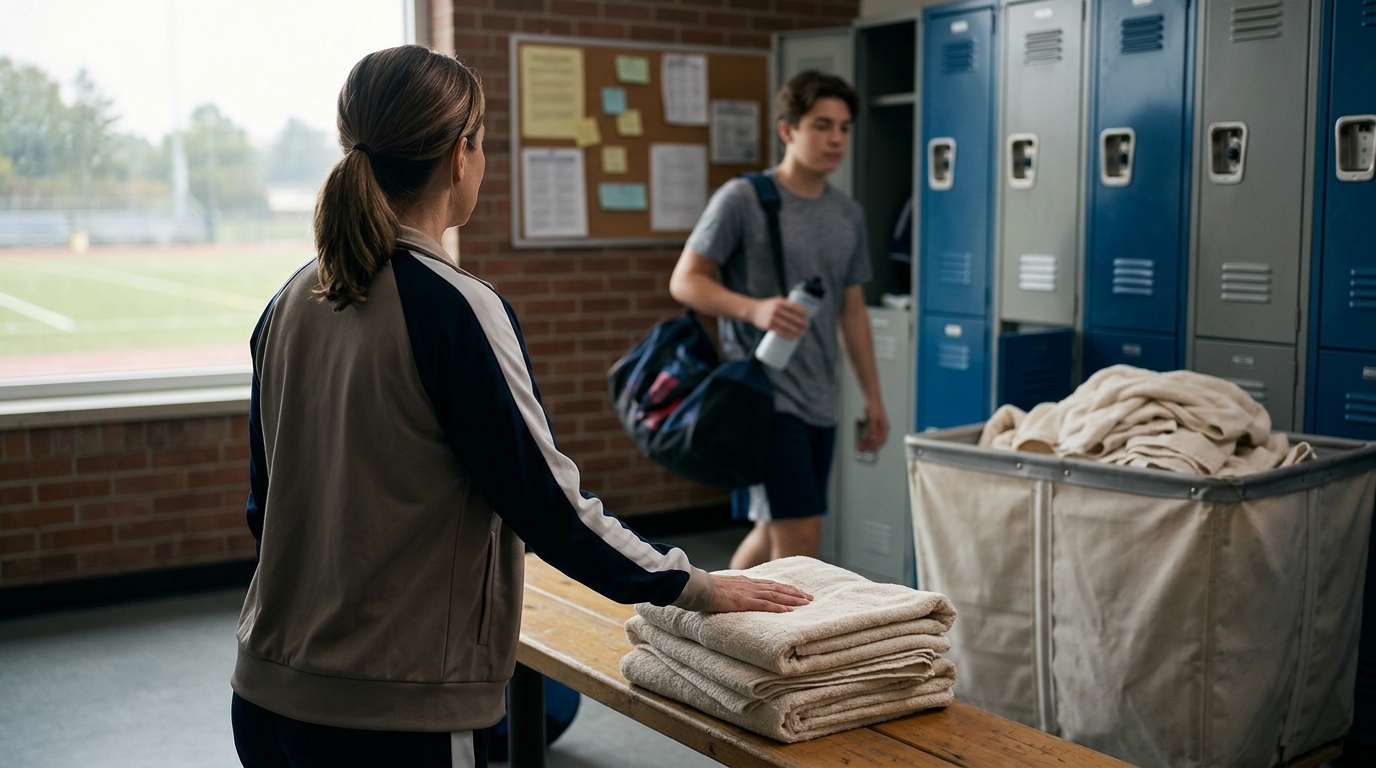
Every school district faces the same relentless pressure: maintain high hygiene standards while navigating shrinking operational budgets. According to recent institutional facility management reports, schools often overspend by up to 30% on linens due to poor procurement choices. This financial leakage stems not from the price tag alone, but from the total cost of ownership. When purchasing towels for gyms, locker rooms, and cafeterias, the cheapest option frequently becomes the most expensive over time. Understanding the lifecycle of institutional textiles is the first step toward fiscal responsibility. (Customer Reviews)
Mistake 1: Ignoring Towel Weight Standards
One of the most critical errors in school procurement is focusing solely on the unit price while ignoring the weight of the towel. In the textile industry, weight is measured in pounds per dozen (lb/doz). A common misconception is that lighter towels are sufficient for general use. However, lightweight towels lack the absorbency required for high-traffic areas like gym locker rooms.
Weight is the primary indicator of towel longevity and absorbency. For athletic departments, a standard weight of 3 lbs per dozen is often the minimum threshold for acceptable performance. Towels below this weight tend to feel thin, tear easily, and fail to dry students effectively. When you buy a lighter towel to save money upfront, you often face higher replacement rates. This creates a cycle of frequent reordering that drains the budget faster than purchasing a heavier, more durable option initially.
Schools should also consider the specific use case. Gym towels need to be robust enough to withstand heavy sweating and frequent industrial washing. In contrast, hand towels in restrooms might require a different weight profile. Understanding these distinctions prevents the purchase of underperforming inventory.
Mistake 2: Choosing the Wrong Material Composition
Another significant mistake is failing to specify the correct material composition for the intended environment. While 100% cotton is the gold standard for absorbency, it is not always the most practical choice for every school setting. For example, in environments where chlorine or harsh bleaches are used for sanitation, standard cotton can degrade rapidly.
Polyester blends offer superior resistance to chemicals and faster drying times. This makes them ideal for pool areas or cafeterias where spills are frequent. However, polyester lacks the softness and absorbency of cotton. The mistake lies in choosing a material that does not align with the specific hygiene protocols of the school. If a school uses heavy bleach for disinfection, they must opt for specialized fabrics like Bleach Shield towels. These are engineered to withstand repeated exposure to chlorine without breaking down or losing color integrity.
Additionally, some schools opt for synthetic blends to reduce costs. While these are cheaper, they can retain odors more than cotton or high-quality blends. For athletic facilities, odor retention is a major issue that can lead to student complaints and increased laundry loads. Balancing cost with material science is essential for long-term satisfaction.
Mistake 3: Neglecting Durability and Hemming
Durability is often an afterthought in school towel procurement. Many districts purchase towels with unfinished edges or simple cut ends to save a few cents per unit. These towels fray quickly in industrial washers, leading to a messy appearance and reduced lifespan. A frayed towel is not only unsightly but also a hygiene risk, as loose fibers can harbor bacteria.
Proper hemming is a critical component of towel durability. Hemmed towels, particularly those with reinforced edges, withstand the rigors of commercial laundering much better. For high-volume users like schools, the difference between a hemmed and an unhemmed towel can be the difference between a one-year lifespan and a three-year lifespan. This extends the amortization period of the purchase, effectively lowering the annual cost.
Schools should also look for towels with reinforced corners, especially for gym and sports towels. These areas experience the most stress during use and washing. Investing in towels with structural integrity reduces the frequency of replacements and maintains a professional appearance throughout the academic year.
Mistake 4: Overlooking Color Fastness
Schools often prioritize white towels for their perceived cleanliness, but colored towels are increasingly popular for branding and organization. A common mistake is purchasing colored towels that fade quickly or bleed during washing. This results in a dingy, outdated look that reflects poorly on the school's image.
Color fastness is determined by the dyeing process and fabric quality. Premium towels undergo rigorous testing to ensure they retain their color through hundreds of wash cycles. Cheaper alternatives may use lower-quality dyes that break down under heat and chemical exposure. For schools with specific brand colors, this fading can be particularly noticeable and damaging to school spirit.
Furthermore, color bleeding can damage other linens in the same load, leading to cross-contamination and additional laundry costs. Schools should verify the color fastness ratings of any colored towels before placing a bulk order. This ensures that the towels remain vibrant and distinct, supporting the school's visual identity over time.
Mistake 5: Poor Vendor Selection
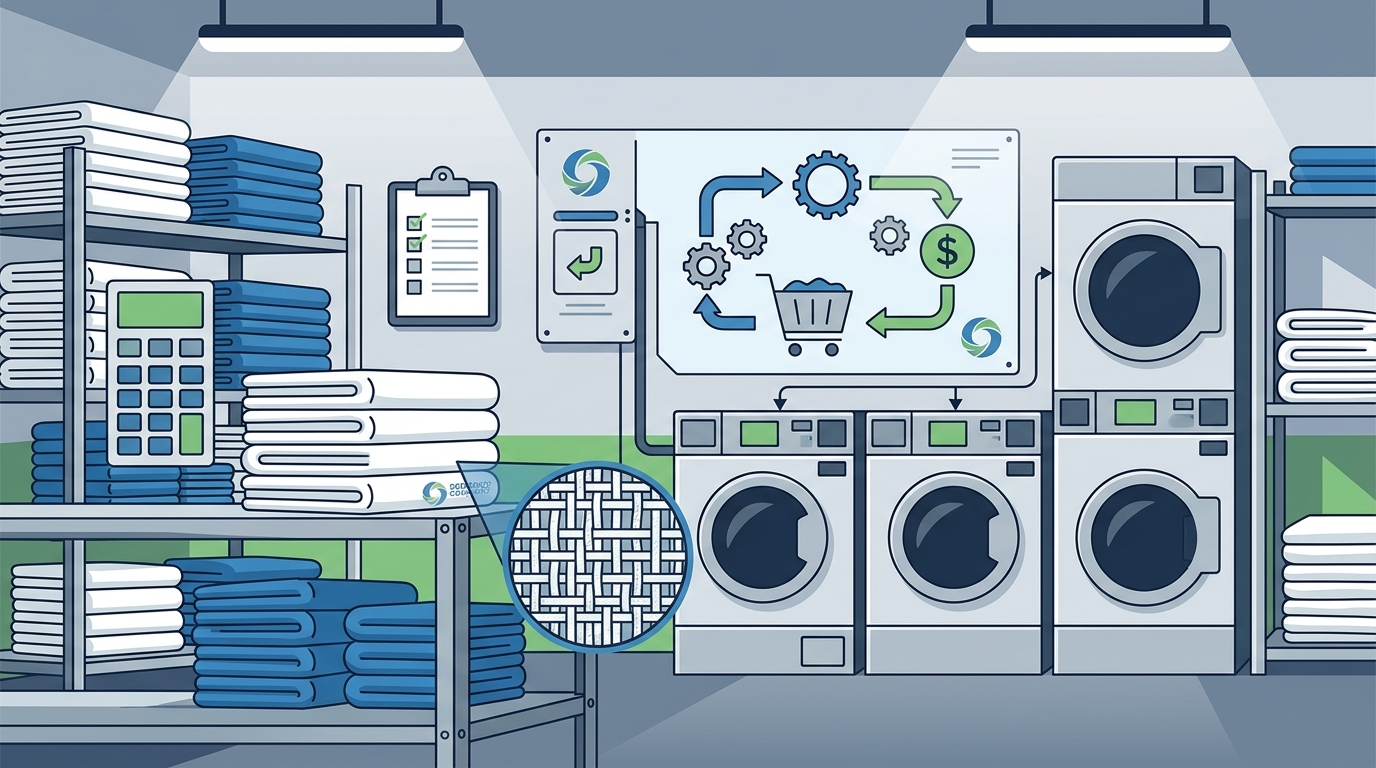
The final and perhaps most impactful mistake is choosing a vendor based solely on the lowest initial quote. Not all wholesale suppliers are created equal. Some vendors may offer low prices but lack the inventory depth, customer support, or quality control necessary for school needs. This can lead to stockouts, delayed shipments, and inconsistent product quality.
A reliable wholesale supplier provides consistent quality and reliable logistics. Schools need partners who understand the unique demands of educational institutions. This includes offering a wide range of grades, from Economy to Premium Plus, to fit various budget constraints. A good vendor also provides detailed product specifications, such as weight, material, and hemming details, to help procurement officers make informed decisions.
Additionally, consider the vendor's customer service and return policies. Schools often need to adjust orders mid-year due to enrollment changes. A flexible vendor can accommodate these shifts without penalty. Researching vendor reviews and reputation is a crucial step in the procurement process. It ensures that the school receives not just a product, but a partnership that supports its operational goals.
Comparing Towel Grades for School Use
To help schools navigate the options available, here is a comparison of common towel grades found in the wholesale market. Understanding these distinctions allows for more strategic purchasing decisions.
| Towel Grade | Typical Weight (lbs/doz) | Best Use Case | Durability Level |
|---|---|---|---|
| Economy | 1.5 - 2.0 | Low-traffic restrooms, disposable alternatives | Low |
| Standard Premium | 2.5 - 3.0 | General gym use, hand towels | Medium |
| Premium Plus | 3.5 - 4.0+ | High-traffic locker rooms, athletic teams | High |
| Bleach Shield | Varies | Pool areas, high-sanitation zones | Very High |
Key Takeaways
- Weight Matters: Always check the pounds per dozen (lb/doz) to ensure adequate absorbency and durability.
- Material Match: Use Bleach Shield towels for pool areas and cotton blends for general gym use.
- Hemming is Key: Invest in hemmed towels to prevent fraying and extend lifespan.
- Color Fastness: Verify color retention to maintain school branding and prevent laundry issues.
- Vendor Reliability: Choose a supplier with a proven track record in institutional sales.
- Total Cost: Calculate the cost per use, not just the unit price, to find true savings.
- Quality Grades: Understand the difference between Economy, Standard, and Premium Plus grades.
Frequently Asked Questions
What is the best towel weight for school gyms?
For school gyms, a towel weight of 3 lbs per dozen or higher is recommended. This weight provides the necessary absorbency and durability to withstand heavy use and frequent washing.
How do I choose between cotton and polyester towels?
Choose cotton for maximum absorbency and softness, ideal for general gym and hand towel use. Choose polyester or blends for areas requiring quick drying and resistance to chemicals, such as pool decks.
What is Bleach Shield towel fabric?
Bleach Shield towel fabric is a specialized textile engineered to resist damage from chlorine and other harsh bleaches. It is essential for pool areas and high-sanitation zones where regular towels would degrade quickly.
Why do school towels turn yellow?
School towels often turn yellow due to the buildup of body oils, iron in the water, or residue from too much bleach. Using the correct amount of detergent and avoiding excessive bleach can prevent this discoloration.
How often should schools replace their towels?
The replacement frequency depends on the towel grade and usage. Economy towels may need replacement every 6-12 months, while Premium Plus towels can last 2-3 years or more with proper care.
What is the difference between Economy and Premium Plus towels?
Economy towels are lighter and less durable, suitable for low-traffic areas. Premium Plus towels are heavier, more absorbent, and feature reinforced hemming, making them ideal for high-traffic athletic and locker room environments.
Can I get custom colored towels for my school?
Yes, many wholesale suppliers offer colored towels in various shades. Ensure you verify the color fastness to guarantee the color will not fade or bleed during industrial washing.
Secure Your School's Linen Supply Today
Avoiding these common procurement mistakes can significantly reduce your school's operational costs while improving the experience for students and staff. By focusing on weight, material, and vendor reliability, you can build a linen inventory that lasts. Contact Towel Hub today to explore our range of wholesale towels designed for institutional durability and value.