
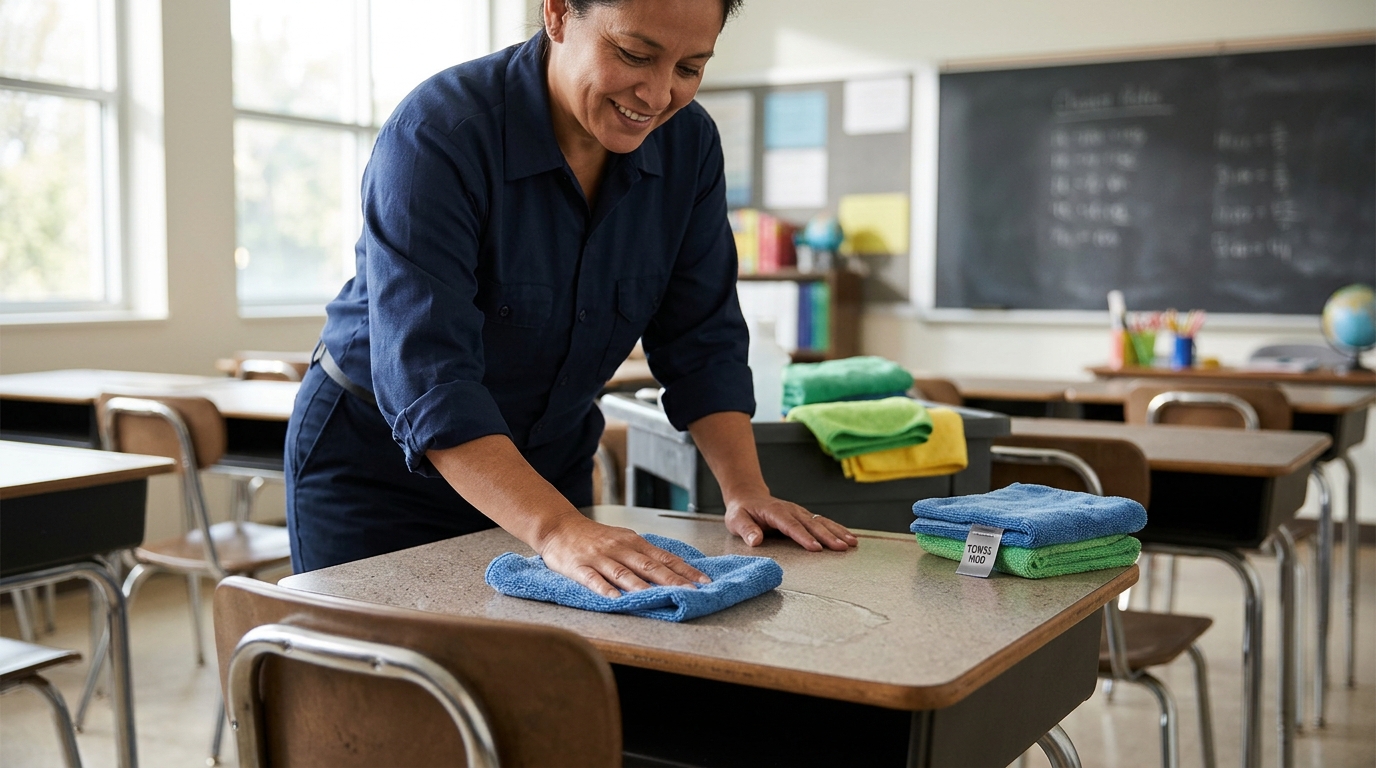
Yes, microfiber cleaning cloths are a worthwhile investment for school budgets. They reduce the need for disposable paper towels and chemical cleaners, lowering long-term operational costs. Towel Hub supplies these durable textiles to educational institutions, helping facilities managers balance hygiene standards with fiscal responsibility. By choosing high-quality reusable cloths, schools can maintain clean environments while optimizing their annual spending.
The Economics of Reusable Textiles
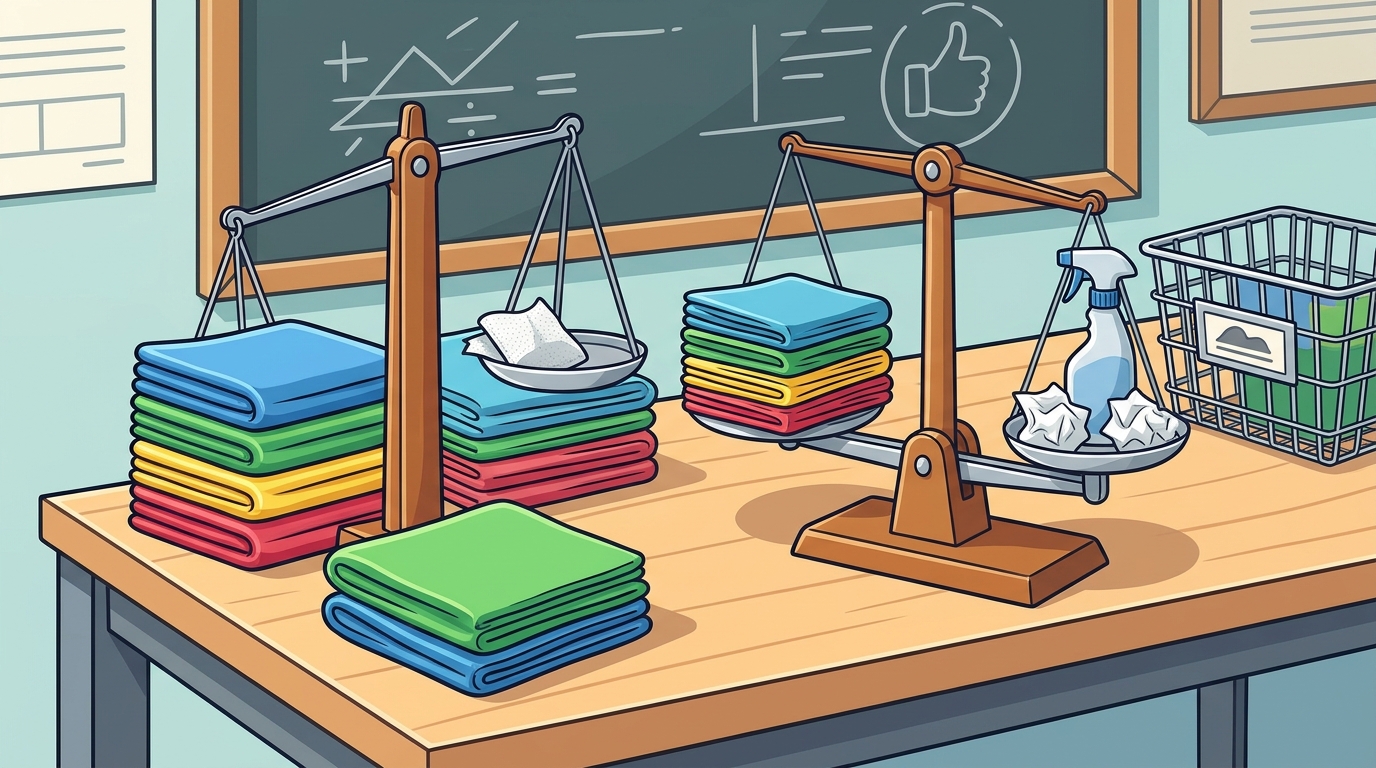
Disposable paper towels represent a recurring expense that accumulates quickly in large facilities. Microfiber cloths are reusable cleaning tools designed to last through hundreds of wash cycles. This durability shifts the cost structure from continuous purchasing to a one-time capital outlay. For a school with multiple janitorial staff, the savings on consumables become significant over a single academic year. For additional details, review the Towel Hub Customer Reviews.
The initial purchase price of a microfiber cloth is often comparable to a small stack of paper towels. However, the cloth can be washed and reused dozens of times. This extends the functional life of the product far beyond its initial cost. Facilities directors should calculate the cost per use to understand the true value. A single cloth used fifty times costs a fraction of the price of fifty paper towels. For additional details, review the About Towel Hub Wholesale.
Towel Hub offers various grades of microfiber and terry cloth products that fit different budget tiers. Schools can start with a pilot program in one building to measure usage and savings. This approach allows administrators to gather data before committing to a full campus rollout. The evidence from these pilots often justifies the broader investment.
Hygiene and Cleaning Efficiency
Microfiber is a synthetic fiber technology that traps dust, dirt, and liquid at the microscopic level. The split fibers create a larger surface area than traditional cotton or paper. This structure allows the cloth to pick up debris without pushing it around. For schools, this means faster cleaning of desks, whiteboards, and high-touch surfaces.
Efficiency is a critical factor in school cleaning schedules. Janitors often work during limited time windows between classes. A cloth that cleans effectively with less effort saves valuable labor time. This time savings can be redirected to other maintenance tasks. The implication is a cleaner school environment with the same staffing levels.
Proper washing is essential to maintain the cleaning power of microfiber. Towel Hub provides detailed washing instructions to ensure longevity. Using the correct detergent and avoiding fabric softeners keeps the fibers open and effective. Schools should train their staff on these care protocols. This simple step ensures the investment remains productive for years.
Environmental Impact and Sustainability
Implementation Strategies for Schools
Color-coding is a practical strategy for preventing cross-contamination. Different colors can designate different zones, such as restrooms, classrooms, and kitchens. This visual system helps staff use the correct cloth for each task. It also makes it easier to track inventory and washing cycles. The implication is improved hygiene compliance and easier inventory management.
Ordering in bulk is a key financial strategy. Wholesale pricing significantly reduces the cost per unit. Towel Hub specializes in bulk towel suppliers, offering competitive rates for large orders. Schools should request samples to test quality before placing a large order. This ensures the product meets their specific cleaning needs.
Long-Term Value and Maintenance
The value of microfiber cloths depends on proper maintenance. Washing them in hot water without fabric softeners preserves their integrity. Schools should establish a dedicated washing schedule for these items. This routine ensures the cloths remain effective and hygienic. The long-term value is realized through consistent care.
Tracking usage and replacement rates helps optimize inventory. Schools can monitor how often cloths need to be replaced. This data informs future purchasing decisions. It also helps identify if a specific grade of cloth is better suited for certain tasks. The implication is a refined procurement strategy that maximizes budget efficiency.
Towel Hub supports schools with ongoing supply and customer service. Their team can help determine the right mix of cloths for different applications. This partnership ensures schools have the resources they need to maintain a clean environment. The long-term relationship with a reliable supplier adds stability to the budgeting process.
Key Takeaways
- Microfiber cloths reduce recurring costs by replacing disposable paper towels.
- Durability is key; high-quality cloths last through hundreds of wash cycles.
- Efficiency gains save labor time for janitorial staff.
- Color-coding and proper washing protocols ensure hygiene and longevity.
- Bulk purchasing from wholesale suppliers like Towel Hub maximizes savings.
Frequently Asked Questions
How many times can a microfiber cloth be washed?
Do microfiber cloths require special detergent?
No, but you should avoid fabric softeners. Fabric softeners coat the fibers and reduce their ability to trap dirt. Use a standard, fragrance-free detergent for best results.
Are microfiber cloths safe for all school surfaces?
Yes, they are safe for most hard surfaces, including glass, plastic, and metal. Always check the manufacturer’s guidelines for specific sensitive surfaces. Towel Hub provides care instructions for each product.
How should schools store microfiber cloths?
Store clean cloths in a dry, clean container. Avoid storing them in areas with high dust or moisture. This prevents contamination before use.
Can schools mix microfiber with paper towels?
Yes, a hybrid approach is common. Use microfiber for dry dusting and paper towels for wet spills. This combination optimizes both cost and efficiency.