
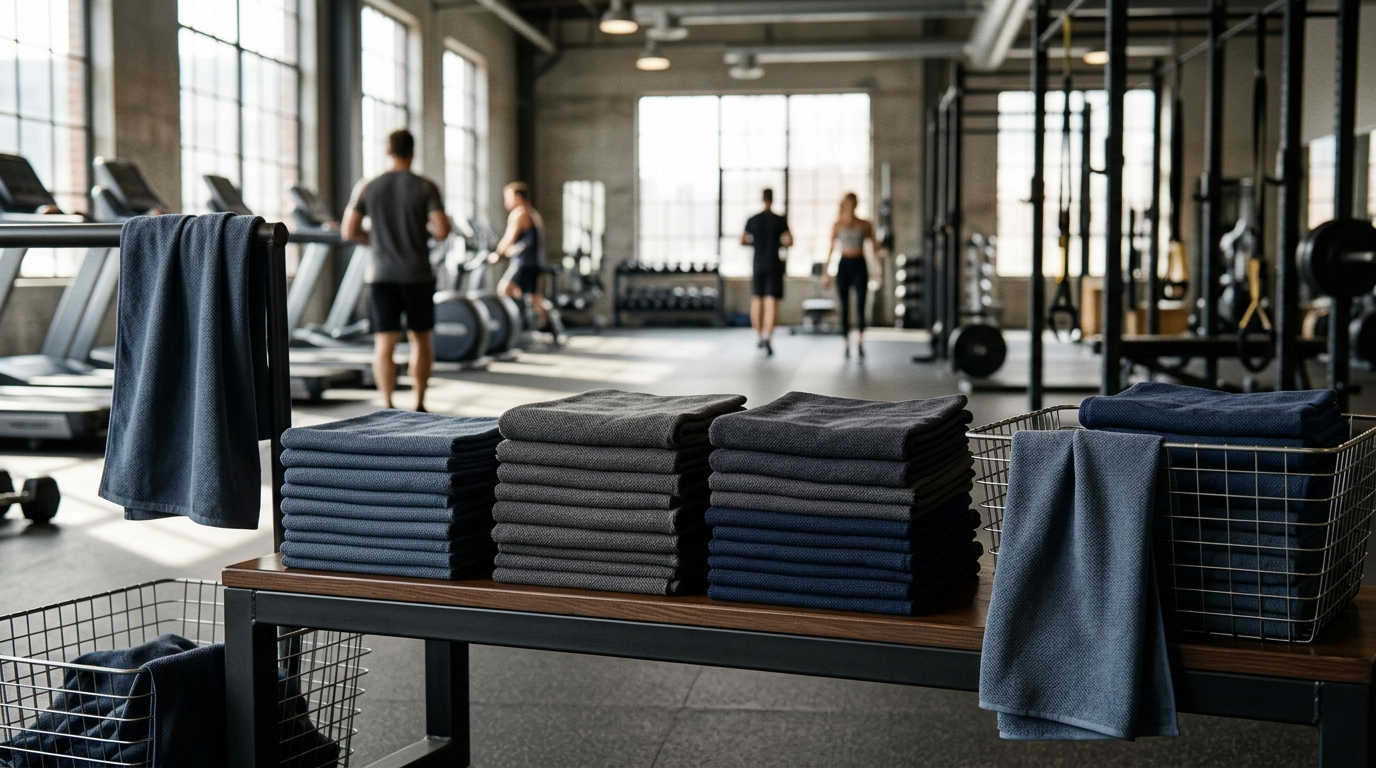
Microfiber gym towels are synthetic textiles made from split polyester and polyamide fibers that offer superior absorbency and quick-drying capabilities compared to traditional cotton. For gym owners, switching to microfiber can reduce laundry costs and improve hygiene, but it requires specific care to maintain performance. This guide breaks down the practical benefits and drawbacks to help you decide if a switch is right for your facility.
Absorbency and Drying Speed
Microfiber is a synthetic fabric constructed from fibers that are split into multiple strands, creating a larger surface area than standard cotton. This structure allows the material to absorb liquid up to seven times its weight, making it highly effective for wiping sweat off equipment and drying patrons. The quick-drying nature of these towels is a significant advantage in high-traffic gyms where towels are used continuously throughout the day.
Because microfiber dries faster than cotton, it reduces the risk of mildew and bacterial growth in the laundry room. This is particularly important for facilities that do not have industrial dryers or have limited drying space. The rapid evaporation rate means towels can be reused more frequently within a single shift, potentially lowering the total number of towels needed in inventory.
Durability and Longevity
The durability of microfiber towels depends heavily on how they are washed and dried. Unlike cotton, which can withstand high heat and aggressive agitation, microfiber is sensitive to fabric softeners and high temperatures. When cared for correctly, these towels can last for hundreds of washes, offering a long service life that competes with premium cotton grades.
However, if a gym uses fabric softeners or dryer sheets, the microfiber will become coated in residue, which blocks the fibers from absorbing liquid. This residue is difficult to remove and effectively ruins the towel. To ensure longevity, facilities must adopt a strict washing protocol that excludes softeners and uses high-heat drying to fluff the fibers. Towel Hub offers guidance on washing instructions that can be adapted for synthetic blends to maintain optimal performance.
Hygiene and Odor Control
Microfiber towels are often praised for their ability to trap dust and debris, but this same property can lead to odor retention if not managed properly. The fine fibers can hold onto bacteria and sweat odors more effectively than cotton, which can result in a musty smell if the towels are not washed frequently enough. For a gym, this means a higher turnover rate in the laundry is necessary to keep the towels smelling fresh.
To combat odor, many facility managers use a vinegar rinse cycle or specialized commercial detergents designed for synthetic fabrics. This extra step adds time and cost to the laundry process but is essential for maintaining a professional environment. If your gym has a high volume of users, the cost of frequent washing may offset the initial savings of buying cheaper microfiber towels.
Cost Comparison and Budgeting
When evaluating the cost of switching, it is important to look at the total cost of ownership, not just the purchase price. Microfiber towels are generally less expensive per unit than premium cotton towels, which can lower the initial capital expenditure. However, the shorter lifespan caused by improper care or the need for more frequent replacement due to odor can increase long-term costs.
Cotton towels, particularly those in the Premium Plus grade, are more durable and can handle harsher laundry conditions. They also tend to last longer in a commercial setting, which can make them more cost-effective over a three to five year period. For a detailed look at different quality grades and their price points, you can browse the athletic gym towels collection to compare options.
Making the Switch: Practical Considerations
Deciding to switch to microfiber requires a pilot test before committing to a full inventory replacement. Start by purchasing a small batch of microfiber towels and assign them to a specific area of the gym, such as the free weights section. Monitor how they perform in terms of absorbency, drying time, and odor retention over a period of one to two months.
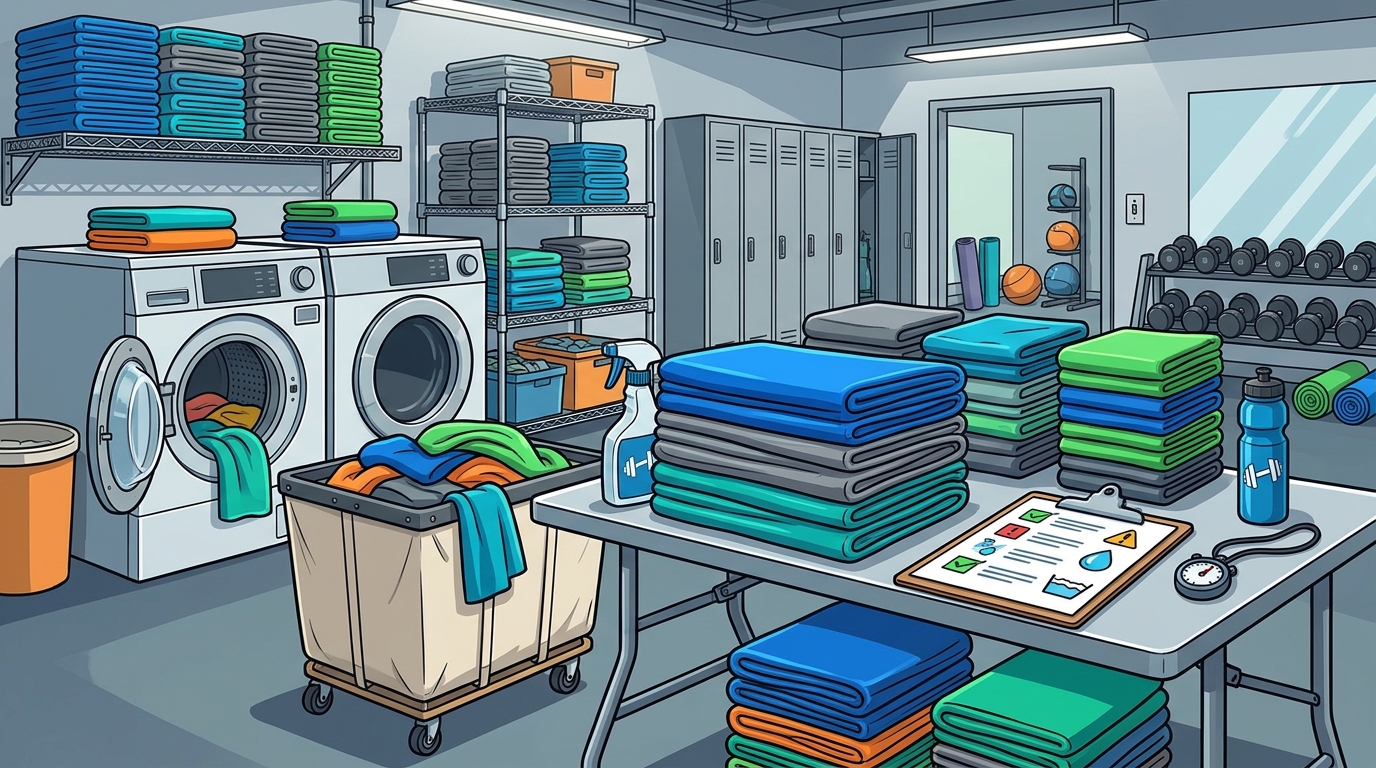
During this trial, track the number of washes required and any issues with drying. If the towels perform well and your laundry staff can adapt to the new care requirements, a full switch may be beneficial. If the towels develop odors quickly or fail to absorb liquid after a few washes, it may be better to stick with cotton. You can request a sample to test the feel and performance before making a bulk purchase.
Key Takeaways
- Microfiber towels absorb liquid up to seven times their weight and dry faster than cotton.
- Fabric softeners destroy microfiber absorbency and must be avoided entirely.
- Microfiber retains odors more than cotton, requiring more frequent washing.
- Cotton towels are more durable and tolerant of harsh laundry conditions.
- Conduct a pilot test in one gym area before replacing the entire inventory.
- Total cost of ownership includes laundry frequency and replacement rates, not just purchase price.
Frequently Asked Questions
Can I wash microfiber towels with cotton towels?
It is not recommended to wash microfiber and cotton towels together. Cotton lint can get trapped in the microfiber loops, reducing its absorbency and making it difficult to remove. Washing them separately ensures that the microfiber remains clean and effective for its intended use.
Do microfiber towels last as long as cotton?
Microfiber towels can last a long time if cared for properly, but they are more sensitive to damage. High heat and fabric softeners can degrade the fibers quickly. Cotton towels are generally more robust and can withstand harsher commercial laundry processes, often lasting longer in a gym environment.
How do I remove odor from microfiber towels?
To remove odor, wash the towels in hot water with a vinegar rinse or a specialized odor-removing detergent. Avoid using fabric softeners, as they trap odors. If the odor persists, the towels may be too degraded to be saved and should be replaced.
Are microfiber towels good for wiping gym equipment?
Yes, microfiber is excellent for wiping equipment because it traps dust and debris effectively. However, you must wash the towels frequently to prevent the buildup of bacteria and odors. Dedicated microfiber towels for equipment can help maintain a cleaner gym environment.
What is the best size for gym microfiber towels?
The best size depends on the intended use. Smaller towels, such as 11x17 or 12x12, are good for personal use and wiping small areas. Larger towels, like 16x26, are better for drying off after a workout or wiping down larger equipment. Consider the specific needs of your gym members when choosing a size.
Conclusion
Switching to microfiber gym towels is a viable option for facilities that prioritize quick drying and high absorbency. However, it requires a strict laundry protocol to avoid odor and damage. If your gym can manage the specific care requirements, microfiber can be a cost-effective and efficient choice. For those who prefer durability and ease of care, cotton remains a strong alternative. To explore your options, visit Towel Hub to find the right towel solution for your facility.